Our Services
Sewer Line Repair
A damaged sewer line can cause recurring backups, sewage odors, wet areas in the yard, and slow drainage throughout a home. Jersey Drain Cleaning provides sewer-line repair information and service options for approved North and Central New Jersey areas.
A sewer repair assessment commonly begins with a camera inspection of an accessible line. The visible findings can show cracks, root intrusion, separated joints, bellied sections, collapse, or other conditions. That information helps determine whether the next discussion should involve cleaning, monitoring, lining, spot repair, bursting, or replacement.
Trenchless techniques may reduce excavation in suitable situations, but they are not a fit for every pipe or property. The route, access, pipe condition, alignment, and type of damage all matter. Contact the business with your symptoms and ZIP code to discuss availability and appropriate next steps.
Repair Methods
Warning Signs
Cleaning Versus Sewer-Line Repair
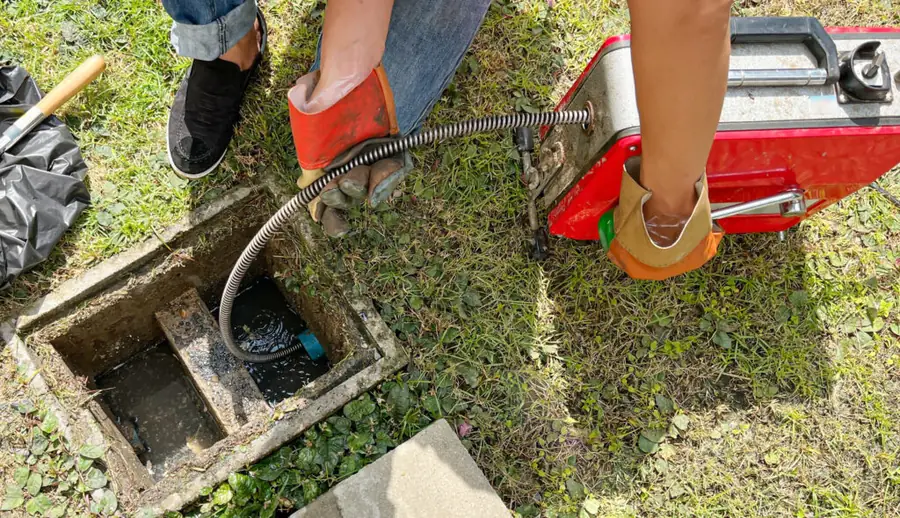
A clogged sewer line can sometimes be cleared with rooter equipment, hydro jetting, or another cleaning method. If the pipe itself is cracked, collapsed, badly offset, or repeatedly invaded by roots, cleaning may address the immediate blockage without correcting the underlying structure.
That is why recurring backups deserve more than a guess. A camera inspection can help identify whether the concern is loose buildup inside an intact line or a condition that should move toward a repair discussion.
Common Causes of Sewer Pipe Damage
Root intrusion
Tree roots can enter through cracks, open joints, and other weak points. Cleaning may restore flow, but recurring entry can require a structural solution.
Aging or corroded pipe
Older clay, cast-iron, Orangeburg, and other materials may develop corrosion, cracks, deformation, or weakened joints over time.
Ground movement
Settlement or shifting soil can create separated joints, a sagging section, or changes in alignment that affect drainage.
Collapse or severe obstruction
A crushed section, major break, or obstruction that cannot be cleared may require spot repair, replacement, or another method.
How Sewer-Line Repair Is Evaluated
Document the symptoms
Share where the backup appears, whether several fixtures are affected, how often the problem returns, and whether there are odors or wet areas outside.
Inspect the accessible line
A sewer camera can show the blockage location and visible pipe condition, including roots, cracks, offsets, bellies, and collapsed sections.
Separate cleaning from repair
Loose buildup may call for cleaning. Structural damage requires a conversation about the repair method that fits the line and property.
Compare suitable methods
Options can include localized spot repair, pipe lining, pipe bursting, or open replacement. The appropriate choice depends on the inspection findings and site conditions.
Discuss the next step
The business can explain what the assessment shows, what further access or site information may be needed, and how to proceed for the specific address.
Repair Methods in Plain Language
Spot repair addresses a localized section when the damage is limited and accessible. Pipe lining places a new liner inside a suitable existing pipe. Pipe bursting replaces a line along its route by breaking apart the old pipe as a new one is pulled into place. Open replacement uses excavation to remove and replace the damaged section when other methods are not suitable.
These methods are not interchangeable promises. A camera inspection and site assessment help determine whether the existing pipe has enough integrity for lining, whether access allows a trenchless method, and whether replacement is the safer option.
After Sewer-Line Repair
Keep records of the repair location and any maintenance recommendations. Avoid putting grease, wipes, paper towels, or other non-dissolving materials into the sewer system, and pay attention to returning slow drains, odors, or wet areas.
Homes with a history of root intrusion or recurring buildup may benefit from a maintenance discussion. If symptoms return, contact the business with the repair history and the current pattern rather than assuming the same cleaning method is appropriate.
Sewer line damage? Call or text to discuss the next steps.
Sewer Line Repair Questions
Have questions? We have answers.
$25 Off Drain or Sewer Cleaning
New customers only. Mention when scheduling; cannot be combined with other offers.
Need help right now?
Call or text us to check today's availability.
Request Service
Tell us what is clogged and share your ZIP code. We'll review the details and contact you using your selected method.
Related Services
Camera Inspection
Inspect an accessible sewer line to understand blockage and structural conditions.
Learn MoreSewer Cleaning
Review cleaning options when the concern is a blockage or heavy line buildup.
Learn MoreHydro Jetting
Learn when high-pressure water may clean buildup in a suitable sewer line.
Learn MoreSewer Line Repair Across North & Central New Jersey
Explore county service information, then contact Jersey Drain Cleaning to check availability for your address.
Need help finding the right page? View service areas or call (201) 675-5985 to check availability.
Drain or sewer issue?
Let's check availability.
Call, text, or send a short service request. Share your ZIP code and what's happening so the team can respond with the right next step.